
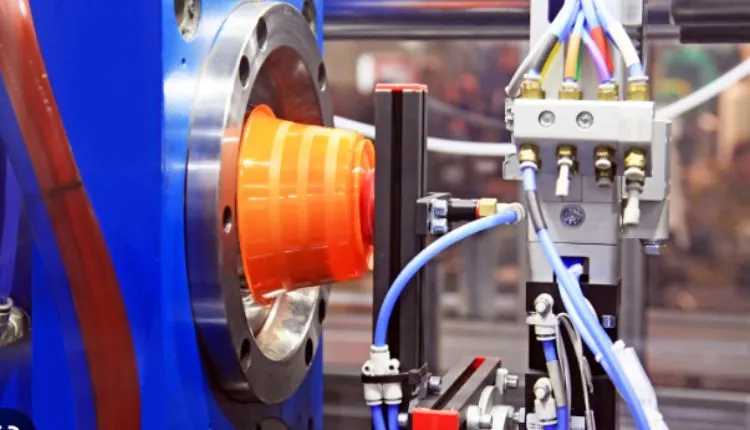
Injection moulding polymers are used in a range of applications, including packaging, automotive parts, household and office products. They are also a cost-effective method for producing durable, high-quality parts. Injection moulding is an advanced process that involves precise temperature control and consistency. During this process, molten plastic is injected into a mold cavity. Then, the melted material cools and solidifies into a usable product.
Thermoplastics
Thermoplastics are plastic materials that soften and flow when heated, solidify upon cooling and can be re-melted or molded any number of times. They are characterized by their low melting point, which allows them to be easily stored as pellets prior to the injection molding process. Thermosets are often a good choice for applications that require dimensional stability and structural integrity, as well as impact resistance. They are also receptive to a variety of surface finishes and decoration methods, which can be useful for products that need an aesthetically pleasing appearance. Injection moulding polymers are used in a wide variety of products.
A typical thermoplastic injection moulding process involves feeding pelletized raw material into a heated barrel. The material is injected under pressure into a mold cavity using a reciprocating screw. The injection molding process can produce parts in a wide range of sizes, from small components to large-scale assemblies. It can create a variety of shapes and forms, including hollow, complex or textured pieces. The injection moulding process is ideal for producing high-volume, repeatable products.
Thermoplastic Rubber (TPR)
Thermoplastic Rubber is a semi-crystalline material that has characteristics of both rubber and plastic, resulting in flexibility and the ability to be produced using melt processing methods like injection molding. It is created by block copolymers including SBS (Styrene-Butadiene-Styrene). Thermoplastic rubber is commonly used for shoe soles as it provides elasticity and flexing resistance along with a wide range of colours. It can also be formulated to provide weather resistance, UV resistance and low temperature flexibility.
TPR’s have been used in the footwear industry since the 1960s and are renowned for their lightweight, abrasion resistant and waterproof properties. They can be shaped to suit the specific application and are easily moulded. As a medical grade injection moulding polymer, TPR is able to withstand a wide range of chemicals as well as providing excellent tensile and fatigue strength. It can be molded in various durometers and is recyclable.
Polyethylene Terephthalate (PET)
Polyethylene terephthalate (PET) is one of the most widely used and versatile plastics. Often found in bottles, containers, and jars, PET is lightweight, highly durable, and easily recyclable. Injection moulding manufacturers use PET to produce strong, lightweight packaging that is highly resistant to air, moisture, alcohols, and solvents. PET is also a very environmentally friendly material. The chemistry of PET is based on ethylene glycol and terephthalic acid, which are bonded together to form the PET backbone. Modifiers are added to the PET backbone to improve its properties, such as cyclohexanedimethanol, which replaces some of the terephthalic acid units in the polymer’s chain.
This modification reduces the melting point of PET, which allows for more versatile injection moulding applications. It also causes the polymer to crystallize more slowly, resulting in an easier molding process. Using this method, PET can be molded with minimal hydrolysis and little acetaldehyde formation. This makes the running cost of PET as a molding material more affordable and can lead to lower costs for a packaging container made from PET.
Polypropylene (PP)
Polypropylene is one of the most commonly used injection moulding polymers. It responds quickly to injection speed and pressure, allowing molders to achieve high production rates. PP is widely used in packaging applications for a number of household and industrial products. It has many handy properties, including good dimensional stability, a strong flexural strength, and good fatigue resistance.
This material is also highly water-resistance and can withstand high temperatures, which makes it suitable for use in food containers, such as bottles and cups. It is also very durable and can resist scratches, punctures, tears and dirt. PP is also a very popular choice for manufacturing medical parts and containers. Its chemical and bacterial resistance make it ideal for use in a number of medical applications, such as disposable syringes and intravenous bottles.
Final Word
These include plastic toys such as Lego bricks, electronics, and tools. Various factors affect the injection molding process including material, processing parameters, mold design and tooling. The key to success is applying a scientific approach to what often requires trial and error.
