
Introduction:
how to become muslim is a deeply personal and transformative experience that has touched the lives of millions across the world. Embracing Islam involves accepting the beliefs and practices of the Islamic faith, becoming part of a global community, and embarking on a spiritual journey of self-discovery. In this article, we will explore the steps to become a Muslim, the significance of the decision, and the profound impact it can have on one’s life.
Understanding Islam:
Before embarking on the journey of conversion, it is crucial to gain a fundamental understanding of Islam. Islam is a monotheistic Abrahamic religion founded in the 7th century CE in Arabia. Muslims believe in one God, Allah, and follow the teachings of the last Prophet, Muhammad (peace be upon him), as revealed in the holy book of Islam, the Quran.
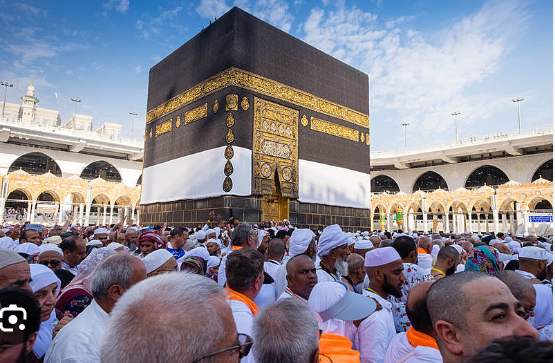
Muslims also follow the Sunnah, the sayings, actions, and approvals of the Prophet Muhammad, as recorded in the Hadith. Islam emphasizes principles of compassion, justice, humility, and charity, with a strong focus on the five pillars of Islam, namely Shahada (faith), Salah (prayer), Sawm (fasting), Zakat (charity), and Hajj (pilgrimage to Mecca).
Seeking Knowledge And Guidance:
To begin your journey toward Islam, it is essential to seek knowledge and guidance from reliable sources. Reach out to local Muslim communities, visit mosques, or attend Islamic lectures to gain insight into the faith. Engaging with knowledgeable scholars or experienced Muslims can help answer your questions and clarify any doubts you may have.
Additionally, reading translations of the Quran and books about Islam can deepen your understanding of its teachings and the Prophet Muhammad’s life. Take your time in this learning process, allowing your heart and mind to embrace the wisdom and beauty of Islam.
Embracing Faith:
The foundation of becoming a Muslim is the declaration of faith known as the Shahada. It consists of two simple but profound phrases: “Ashhadu an la ilaha illa Allah, wa ashhadu anna Muhammadur rasul Allah,” which translates to “I bear witness that there is no god but Allah, and I bear witness that Muhammad is the Messenger of Allah.”
Reciting the Shahada with sincere belief and conviction is the moment of spiritual transformation, marking your entrance into the Islamic faith. This declaration symbolizes your commitment to Allah as the one and only God and acknowledges Prophet Muhammad as His messenger.
Embracing Rituals:
As a new Muslim, embracing Islamic rituals is an integral part of your journey. Salah, the obligatory prayer performed five times a day, helps you establish a direct connection with Allah and fosters spiritual discipline. Learning the proper way to perform Salah and incorporating it into your daily routine is essential.
Fasting during the holy month of Ramadan is another significant practice in Islam. It encourages self-discipline, empathy for the less fortunate, and deepens your spirituality. Observing the fast from dawn to sunset throughout the month can be both challenging and rewarding, drawing you closer to Allah and fostering a sense of community with fellow Muslims.
Adopting Islamic Values:
Living as a Muslim entails embracing Islamic values and principles in every aspect of your life. Islam encourages compassion, kindness, honesty, and generosity. Respecting your parents, caring for the elderly, and showing mercy to animals are among the many virtues that Islam promotes.
Adopting these values and striving to improve yourself spiritually and morally are vital aspects of being a practicing Muslim.
Conclusion:
Becoming a Muslim is a transformative journey that brings profound changes to one’s life. Through understanding Islam, seeking knowledge, embracing faith, rituals, and values, you embark on a spiritual path that fosters inner peace, compassion, and purpose. It is essential to approach this journey with an open heart, seeking guidance from knowledgeable sources and finding support in the global Muslim community. Embracing Islam is a unique experience that connects you to a rich history, diverse cultures, and a global brotherhood/sisterhood, all while deepening your relationship with Allah.
FAQs:
Q1: Can anyone become a Muslim? A1: Yes, Islam welcomes people from all walks of life, regardless of their ethnicity, nationality, or background. Anyone who sincerely believes in the oneness of Allah and the prophethood of Muhammad can become a Muslim.
Q2: Is it necessary to change my name after converting to Islam? A2: No, changing your name is not a mandatory requirement for converting to Islam. However, some people choose to adopt a Muslim name as a symbol of their new identity and commitment to the faith. It is a personal choice and not an obligation.
Remember, embracing Islam is a profound and deeply personal decision. Take your time to learn, reflect, and seek guidance as you embark on this transformative journey of faith and understanding. May your path be filled with blessings and guidance as you embrace the beauty of Islam.
