
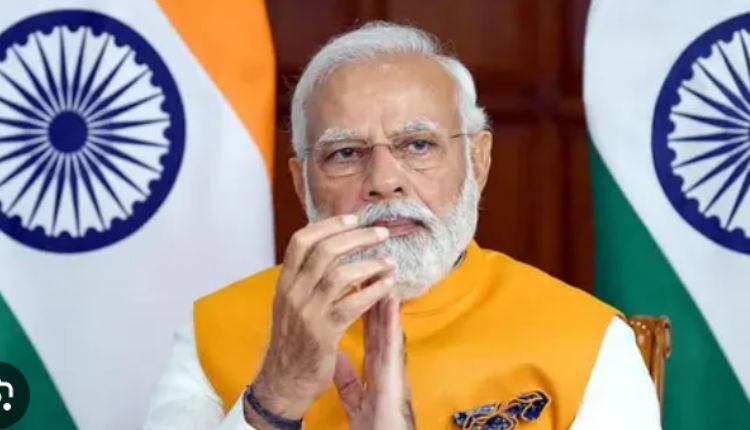
A two-part BBC documentary aired in the UK this January alleged that India’s PM, Narendra Modi, ordered police to turn a blind eye to 2002 anti-Muslim violence in his home state of Gujarat. The Indian government has responded with anger, blocking the sharing of clips from the documentary on Twitter and YouTube under emergency censorship rules.
What Is The Documentary About?
The two-part bbc documentary on modi examines allegations that Modi failed to intervene effectively to stop violence during anti-Muslim riots in the state of Gujarat in 2002, which left more than 1,000 people dead. It also cites a secret British Foreign Office report that held him “directly responsible for the climate of impunity which enabled the violence to take place.”
The documentary has been widely praised in the UK, but it has stirred controversy in India. India’s government has accused the BBC of bias and threatened to disrupt U.K.-Indian ties, while rightwing social media accounts have attacked the BBC for its coverage of Modi.
Although the allegations in the documentary may not be surprising to those who follow Indian news, it is one of the first international television programs to explore the topic. The documentary also provides a different perspective on the riots, showing how they helped to shape Modi’s political career.
While the claims in the documentary may be nothing new, it is a useful reminder to many Indians of the dark side of their prime minister’s history. It also highlights how the riots were used as an opportunity by Modi to gain support from the Hindu nationalist community.
India’s government has reacted strongly to the documentary. They have called it ‘propaganda and anti-India garbage’ and accused the BBC of bias. They have also invoked emergency powers to block clips of the documentary online, which YouTube and Twitter have complied with.
Students at India’s prestigious Jawaharlal Nehru University attempted to hold a screening of the documentary in defiance of university rules. However, they were soon surrounded by masked men who attacked them. The students were able to escape, but several were injured in the attack.
The BBC has not aired the documentary in India, which has angered the government of Narendra Modi. They have accused the BBC of bias and warned that the documentary will damage India’s relations with the UK. In a tweet, an adviser to the ministry of information and broadcasting described the documentary as ‘uncalled for propaganda’. The controversy is expected to escalate in the coming days, as the second part of the documentary will air on Tuesday.
What Is The Purpose Of The Documentary?
India’s Prime Minister Narendra Modi is one of the world’s most powerful politicians, and he’s also considered a key ally to the United States and the UK. However, there are many allegations that have been made about the way that Modi’s government treats India’s Muslim population. This documentary aims to uncover the truth behind these allegations.
The documentary is titled India: The Modi Question, and it explores the controversy surrounding PM Modi’s role in the 2002 Gujarat riots. The riots occurred after a train carrying Hindu pilgrims was set on fire, and they resulted in the deaths of over 1,000 people, mostly Muslims. The documentary alleges that PM Modi was complicit in the riots, and it shows that his government failed to take any action to prevent the violence.
After the documentary was broadcast, the Indian government condemned it and demanded that the BBC apologize. The BBC refused, and the government invoked emergency laws to block online access to the film. The law prevented people from sharing links or clips of the documentary on social media, and YouTube and Twitter removed the content.
Since then, the documentary has been banned in India and has been criticised by right-wing media outlets and social media accounts. An adviser to the Ministry of Information and Broadcasting called it “propaganda and anti-India garbage, disguised as a documentary”, and accused the BBC of showing a lack of objectivity and continuing colonial mindset.
The documentary has received significant attention from international organizations, including Amnesty International and Human Rights Watch. The groups have organized a screening of the documentary in Washington, ahead of Modi’s state visit to the White House. The screening will be held on June 20, just two days before Modi arrives in the US.
Despite the controversy, the documentary has been well-received in the United Kingdom. It has been screened in over 100 locations, and it has been viewed by more than 200,000 people. The documentary has also been featured in major news outlets, including the New York Times and CNN. It has been praised for its in-depth investigation into the allegations against PM Modi and for its focus on victims of communal violence.
What Is The Conclusion Of The Documentary?
While the film has stirred controversy in India, it has also gained international recognition. Human rights groups have been organizing screenings in the United States, to coincide with Modi’s visit there on June 20. This is a crucial moment, as the documentary is bringing attention to India’s troubling record on human rights and religious freedom.
The two-part series, titled “India: The Modi Question,” explores the controversial role of Indian Prime Minister Narendra Modi in the 2002 Gujarat riots. The riots began after a train carrying Hindu pilgrims was set on fire in Godhra, sparking violence between the state’s majority Hindus and minority Muslims. More than 1,000 people, mostly Muslims, were killed in the ensuing violence. The BBC has been facing intense criticism in India over the documentary. The government has banned it from being shown in the country, and has tried to block online sharing of the video. It has accused the BBC of being hostile to India and of having a colonial mindset. The BBC has defended the documentary, saying that it was rigorously researched.
In response to the criticism, the BBC has been taking steps to remove illegal uploads of the documentary from the internet. It has also said that it is fully cooperating with Indian authorities. However, these measures are unlikely to have any significant impact on the distribution of the documentary. Many people have been able to access it through torrents and other informal channels.
The BBC has also been the subject of a defamation lawsuit brought by a Hindu nationalist group. The suit alleges that the documentary has defamed India and its leaders. The case is expected to go to trial next year.
The controversy surrounding the documentary has also raised questions about how the media in India is being regulated by the government. In recent years, there has been an increase in the number of attacks against journalists, and many activists have called for greater media independence in India. However, it is unclear how far the government will be willing to go to curb dissent. If it continues to crack down on independent journalism, it may risk losing its reputation as a global leader in democracy and free speech.
What Is The Controversy About The Documentary?
The documentary focuses on the role of Indian Prime Minister Narendra Modi in the 2002 Gujarat riots. The riots started after a train carrying Hindu pilgrims was set on fire, killing dozens of people. The documentary accuses Mr Modi of being responsible for the riots and of creating a climate of impunity. It also alleges that he was aware of the attacks on Muslims ahead of time. Mr Modi has denied being involved in the riots and has not apologized for them. The government has criticized the documentary for highlighting old allegations that have been discredited by courts and journalists.
The government has banned people from sharing the documentary on social media and has blocked YouTube and other sites where it can be watched. This has sparked a lot of controversy in India. Many students at universities across the country have been organising screenings of the documentary to protest against the censorship. Some of them have been threatened with arrest or violence by rightwing groups. The BBC has defended the documentary saying that it was “rigorously researched”.
In a statement, India’s foreign ministry slammed the BBC for airing the two-part documentary. It called it “hostile propaganda and anti-India garbage.” The statement added that the film was based on discredited evidence and showed a continuing colonial mindset.
Mr Modi has been criticised for his close ties with the UK and the US and for refusing to take action against alleged human rights abuses in India. The documentary is seen as a way for the BBC to highlight these issues and criticise Mr Modi’s record.
SHAPIRO: The controversy has triggered a huge debate in India. It is clear that the debate is largely along political lines. Some of Mr Modi’s supporters view the documentary as an attempt by the BBC to belittle India and its leader. Others, however, feel that it is important to expose human rights abuses and to hold leaders like Mr Modi accountable.
In a polarized society, the response to the documentary will probably depend on which side of the political spectrum one is on. Many of Mr Modi’s supporters will see the documentary as an act of defiance against a former colonial master. On the other hand, many of the opposition parties will view it as an attempt by the BBC to attack their leader and undermine democracy.
Conclusion:
The BBC documentary on Narendra Modi provides a comprehensive and insightful look into the life and political career of one of India’s most influential leaders. Through its exploration of Modi’s rise from humble beginnings to becoming the Prime Minister of India, the documentary sheds light on the complexities of Indian politics and the various challenges faced by the nation. It highlights both the adoration and criticism that Modi has garnered throughout his tenure, offering a balanced perspective on his leadership style and policies. The documentary serves as a valuable resource for those seeking a deeper understanding of the man behind the political persona and the impact of his governance on India’s socio-economic landscape.
FAQs:
How has Narendra Modi’s leadership impacted India’s economy?
The documentary discusses the impact of Narendra Modi’s economic policies on India’s economy. It highlights the government’s initiatives such as “Make in India,” “Goods and Services Tax (GST),” and “Digital India” that aimed to boost manufacturing, streamline taxation, and promote digitization. While some supporters credit these policies for spurring economic growth and attracting foreign investment, critics argue that they have not yielded the expected results, leading to concerns about job creation and economic inequality. The documentary delves into the nuances of these policies, presenting a comprehensive analysis of their effects on India’s economic landscape.
How has Narendra Modi’s leadership influenced India’s foreign relations?
The documentary provides insights into Narendra Modi’s foreign policy approach and its impact on India’s relations with other nations. It highlights his proactive efforts to strengthen ties with major powers like the United States, Japan, and European countries, as well as his emphasis on enhancing regional cooperation within South Asia. Moreover, the documentary examines Modi’s handling of delicate issues such as the Doklam standoff with China and the tense relations with Pakistan. It also explores the challenges he faced in navigating India’s foreign policy in an increasingly complex global environment. Overall, the documentary offers a nuanced understanding of the role Modi played in shaping India’s position on the international stage.
