
Gujarat Vidyapeeth is a unique university in India that was established by Mahatma Gandhi in 1920. The university was founded with the aim of promoting indigenous education and empowering the masses. Mahatma Gandhi believed that education was the key to social and economic empowerment and that Indians should be educated in their own language and culture.
Gujarat Vidyapeeth was established in response to the British government’s decision to impose English as the medium of instruction in schools and colleges. Mahatma Gandhi believed that this move would have disastrous consequences for India as it would disconnect Indians from their own culture and language. He believed that Indians needed to be educated in their own language and culture to foster a sense of national pride and self-reliance.
The university was founded with the support of several prominent Indian leaders, including Sardar Vallabhbhai Patel, who later became the first Deputy Prime Minister of India. The university’s founding principles were based on Gandhian philosophy, which emphasized the importance of self-reliance, non-violence, and the use of local resources.
The university’s curriculum was designed to promote Indian languages, literature, and culture. It offered courses in subjects such as agriculture, home science, and cottage industries to promote self-reliance and the use of local resources. The university also emphasized the importance of physical education and encouraged students to participate in sports and other physical activities.
Over the years, Gujarat Vidyapeeth has grown into a major educational institution in India. It offers undergraduate, postgraduate, and doctoral programs in a variety of disciplines, including arts, science, commerce, and management. The university also has several departments and centers that focus on areas such as rural development, women’s studies, environmental studies, and peace studies.
One of the unique features of Gujarat Vidyapeeth is its commitment to promoting indigenous education. The university has played a significant role in promoting Indian languages, literature, and culture, and has helped to preserve many of the country’s traditional arts and crafts. It has also played a key role in promoting the use of local resources and in fostering a sense of national pride and self-reliance.
In recent years, Gujarat Vidyapeeth has continued to promote its founding principles and has become a leading voice in the movement to promote sustainable development and environmental conservation. The university has been at the forefront of efforts to promote organic farming, renewable energy, and sustainable tourism.
The university has also been actively involved in promoting social justice and human rights. It has several centers and departments that focus on areas such as women’s studies, tribal studies, and peace studies. It has also been actively involved in promoting the rights of marginalized communities and has been a leading voice in the fight against caste-based discrimination.
In recognition of its contributions to Indian education and society, Gujarat Vidyapeeth has received several awards and honors over the years. In 1951, the university was recognized as a deemed university by the Government of India. In 2017, it was ranked among the top 100 universities in India by the National Institutional Ranking Framework (NIRF).
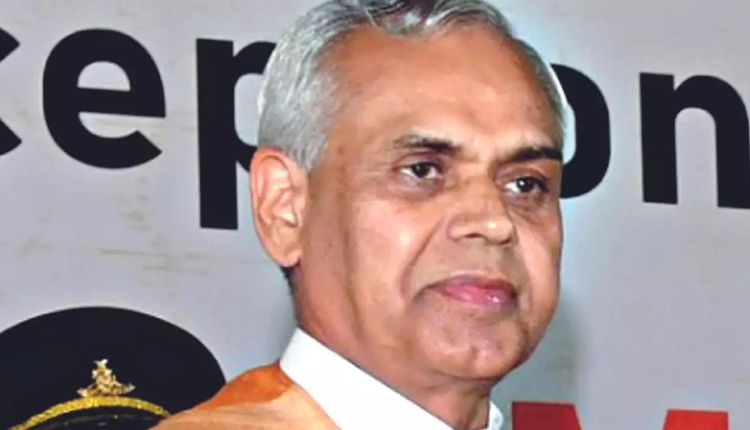
Recently, Gujarat Vidyapeeth made headlines when it announced that it would be inviting the Governor of Gujarat, Acharya Devvrat, to deliver the convocation address at the university. The decision was widely applauded as a testament to the university’s commitment to promoting indigenous education and to Mahatma Gandhi’s vision of promoting self-reliance and national pride.
In conclusion, Gujarat Vidyapeeth is a living legacy of Mahatma Gandhi’s vision of promoting indigenous education and empowering the masses. The university’s founding principles based on Gandhian philosophy continue to be an integral part of its ethos, and the university has played a significant role in shaping India’s educational landscape. It
Conclusion: In conclusion, Gujarat Vidyapeeth is a living legacy of Mahatma Gandhi’s vision of promoting indigenous education and empowering the masses. The university’s founding principles based on Gandhian philosophy continue to be an integral part of its ethos, and the university has played a significant role in shaping India’s educational landscape. It is a testament to the power of education and the importance of preserving one’s language, culture, and identity.
FAQs:
What is the significance of Gujarat Vidyapeeth in Indian education?
Gujarat Vidyapeeth is a unique university in India that was established by Mahatma Gandhi in 1920 with the aim of promoting indigenous education and empowering the masses. The university has played a significant role in shaping India’s educational landscape and promoting the use of local resources and language.
What is the curriculum of Gujarat Vidyapeeth?
The university’s curriculum is designed to promote Indian languages, literature, and culture. It offers courses in subjects such as agriculture, home science, and cottage industries to promote self-reliance and the use of local resources. The university also emphasizes the importance of physical education and encourages students to participate in sports and other physical activities.
What are the achievements of Gujarat Vidyapeeth in recent years?
In recent years, Gujarat Vidyapeeth has continued to promote its founding principles and has become a leading voice in the movement to promote sustainable development and environmental conservation. The university has also been actively involved in promoting social justice and human rights and has several centers and departments that focus on these areas. The university has received several awards and honors over the years in recognition of its contributions to Indian education and society.
Rajkotupdates.News:Gujarat-Vidyapeeth-By-Mahatma-Gandhi-In-1920-Will-Invite-Governor-Acharya-Devvrat

Related Posts
Add A Comment